¿Qué Pasa si no Tengo Suficiente Hueso Para un Implante Dental?

En este video, la Dra. Karen Becerra-Penagos explica qué opciones clínicas son viables cuando no hay suficiente hueso para un implante tradicional y el criterio que determina cuándo un miniimplante es seguro y cuándo no lo es.

Cuando un paciente no tiene suficiente hueso para un implante tradicional, existen distintas alternativas clínicas.

Una opción es realizar un injerto de hueso. Después del injerto, se debe esperar un periodo de cicatrización para confirmar que el hueso tiene la fuerza necesaria para soportar un implante convencional.

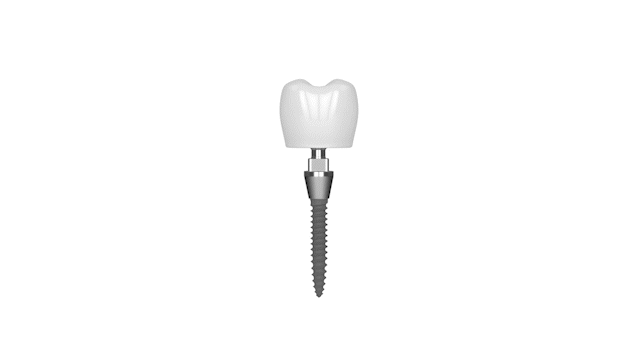
Los miniimplantes ofrecen otra alternativa para pacientes candidatos. En algunos casos permiten colocar un implante sin esperar meses de regeneración ósea, porque su diseño requiere menos volumen de hueso que un implante tradicional de dos piezas.

La principal diferencia entre ambos tipos de implantes es el requisito de hueso: los implantes convencionales suelen necesitar más densidad y volumen óseo, mientras que los miniimplantes pueden funcionar con menor volumen óseo cuando el paciente es clínicamente apto. La evaluación con escaneo 3D y diagnóstico profesional es la que determina qué opción es segura y adecuada para cada caso.

Vídeos Relacionados

OUR DENTAL SERVICES

Hear What Our Patients Are Saying...

FREE Dental Implant Consultation

Our free implant consultation includes a full evaluation, 3D CBCT scan, clinical photos, treatment planning, and a discussion of costs and payment options in the same visit. A doctor reviews your health history, explains your scan results, and recommends the most suitable implant option for your needs.

Before you leave, you receive a clear plan, timeline, next steps, and transparent cost breakdown. Our financial coordinators outline practical payment and financing choices so you can select an option that fits your budget. This visit gives you answers and a plan you can act on.

Schedule Your Free Consultation

Read The HEalthy Habit Dental Care Blog

Learn about the services we provide, and the latest advancements in general, cosmetic, and implant dentistry.

Missing Teeth: Options for One Tooth, Several Teeth, or a Full Arch

Missing teeth can be replaced with different approaches, including implants, bridges, and removable dentures. The appropriate choice depends on which teeth are missing, the condition of neighboring teeth and gums, available bone, and your goals for daily use. At Healthy Habit Dental Care in Temecula, a consultation starts with those findings. There is no single replacement that is best [...]

A Braces Alternative: Daily Life With ClearCorrect Aligners

ClearCorrect aligners are a removable alternative to metal braces for suitable patients. Healthy Habit Dental Care offers ClearCorrect in Temecula, including for patients comparing alternatives to Invisalign. Removability can be convenient, but treatment still requires consistent wear, cleaning, and follow-up. If you want a direct appliance comparison, read Invisalign vs. braces. This guide focuses on whether the daily routine [...]

Payment Plans for Dental Implants: Monthly Payments and Total Cost

A dental implant payment plan depends on the amount financed, interest rate, fees, and repayment term. A small monthly payment can still produce a higher total cost if payments continue for longer. Start with an itemized treatment estimate and compare the full repayment schedule. A Simple Payment Example For illustration only, a $6,000 balance repaid over 12 equal monthly [...]

Choosing a Cosmetic Dentist in Temecula: Questions to Ask

Choosing a cosmetic dentist starts with understanding how the dentist evaluates your teeth and explains suitable options. Look for a clear diagnosis, realistic expectations, and a plan that addresses health as well as appearance. Healthy Habit Dental Care offers cosmetic dentistry in Temecula. You can review our team information and bring your goals to a consultation before deciding whether [...]

Same-Day Implant Teeth: Placement, Healing, and the Final Restoration

Same-day implant teeth describe when a restoration is attached, not when healing is complete. The typical plan includes preparation before surgery, an assessment of implant stability on placement day, healing visits, and a decision about the final teeth. At Healthy Habit Dental Care, same-day treatment is considered when clinically appropriate. The exact sequence is individualized, and the plan may [...]

Root Canal Pain Relief: What Helps and When to Call a Dentist

Root canal treatment is intended to address disease inside a tooth that can cause pain. Temporary pain relief does not resolve that underlying problem. If you have a persistent toothache or new swelling, arrange a dental assessment instead of waiting for the pain to disappear. After treatment, mild tenderness can occur, but severe, worsening, or prolonged pain deserves a [...]