Gum disease is an inflammatory condition that affects millions of people worldwide. Typically, the condition begins with a buildup of plaque, a sticky film made of bacteria that collects on your enamel and hardens into tartar. Tartar is more difficult to remove and often spreads underneath your gums, worsening the infection. If caught early enough, we can actually reverse the effects of gum disease, restoring your smile back to health. But without prompt treatment, periodontal disease will advance, creating more serious issues that cause permanent damage. If you are experiencing early signs of gum disease, we recommend visiting us as soon as possible to reverse its effects before it causes lasting damage!
The Stages of Periodontitis
In general, gum disease, or periodontitis, has 4 main stages. The longer your infection lasts, the worse the effects will be.
1. Gingivitis
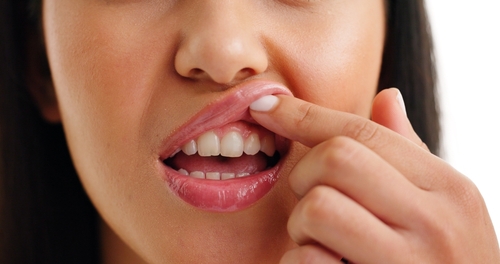 The earliest stage of gum disease is gingivitis. This infection is less serious, as there is no bone loss yet.
Typically, patients experience red or puffy gums that may bleed when brushing or flossing. And with prompt treatment, the effects of gingivitis are completely reversible! Simply watch for signs, schedule a cleaning appointment, and keep up with at-home care.
However, it’s important to note that gingivitis may be difficult to detect for some patients. Often, patients don’t experience pain, leading them to ignore signs of infection. Make sure to stay vigilant and keep up with routine visits to protect against gum disease.
2. Mild periodontitis
The next step marks the onset of periodontitis, which affects the bone structure that supports your teeth.
By this stage, bacteria have reached below your gums. You may find that your gums are pulling away from your teeth and creating pockets or abscesses. These pockets harbor bacteria in places a toothbrush can’t reach, making them harder to clean.
To treat mild periodontitis, we may perform scaling and root planing. This procedure involves reaching below your gum line to physically remove bacteria and smooth your roots, allowing the gums to reattach. While we can treat mild periodontitis, the effects may not be totally reversible. Any gum or bone tissue you lost due to the disease is permanent.
3. Moderate periodontitis
Without treatment, periodontitis advances to the moderate stage. Bacteria will begin to erode the ligaments, soft tissues, and bone that support your teeth. Persistent bad breath and pus that forms around your gum line are common, and you may begin to experience pain.
To help treat moderate periodontitis, we may use laser dentistry. This procedure is a minimally invasive surgical technique that removes bacteria and infected tissue without causing as much pain or discomfort!
4. Advanced periodonitis
 The final stage of gum disease is advanced periodontitis. At this stage, bone loss will continue and eventually affect the stability of your teeth.
Over time, your teeth may begin to loosen in your mouth as you lose significant bone. In many cases, we will need to extract these teeth to help protect your remaining teeth from infection. And, if still untreated, your teeth may even fall out on their own.
If you’re at this stage, we are no longer able to reverse the effects. However, that doesn’t mean you don’t still need help! With proper care and hygiene, we help you manage the condition and prevent your oral health from declining further!
How To Reverse Gum Disease in Temecula, CA
When dealing with gingivitis, we can effectively reverse gum disease. But you’ll need to act fast!
If you notice signs of infection or periodontitis, reach out to our office right away. We will get you in for a cleaning to remove all signs of bacteria and infection in your mouth. But early intervention is all about staying vigilant.
Once you’re home, make sure to keep up with your dental care! Brush at least twice a day, preferably with an electric toothbrush. These brushes help you clean your smile by doing all the hard work for you! Then, we recommend flossing regularly with a water flosser. Using a gentle stream of water, this machine helps clear out debris and food particles from between your teeth without irritating your gums.
Finally, it is essential to schedule and attend routine dental visits. Most often, patients come in twice a year for general cleanings. But for patients prone to gum disease, we may recommend more frequent visits.
Routine cleanings not only keep your smile healthy but also help catch signs of gingivitis early! When we assess your smile regularly, we’re able to look out for signs of infection that you may miss. Then, we’ll provide preventive care to reverse any effects of gum disease you may be experiencing.
Reverse Gum Disease: Prevent the Problem Before It Happens
Gum disease affects millions of people all around the world. If you’re experiencing early signs of gum disease, we encourage you to visit our office for prompt treatment! Because gum disease progresses in stages, the earlier we can treat it, the better. In the first stage, gingivitis, we’re able to reverse the effects of gum disease. But as the disease advances, it will cause lasting damage that we cannot undo. If you think you may be experiencing signs of gingivitis, come in for a cleaning at Healthy Habit Dental Care in Temecula, CA!
Want to learn other ways to keep your smile healthy? Follow us on Instagram and Facebook!