How Is TMJ Disorder Treated?
In this video, Drs. Karen Becerra-Penagos and Myrna Aguilar explain how TMJ is treated in everyday care, and what options help patients protect their jaw and reduce joint strain.
TMJ dysfunction is most commonly treated with night guards or splints. These appliances help balance the forces in the jaw joint and reduce strain caused by clenching or grinding.
In some cases, medication may also help relieve muscle tension and pain related to jaw overuse. For certain patients, Botox can be an option to reduce excessive muscle activity and decrease the forces affecting the joint.
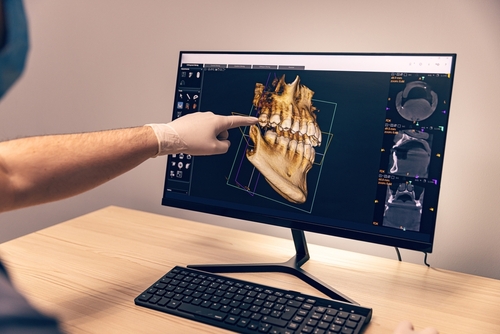
There are several diagnostic tools and treatment approaches available for TMJ, and each case is different. Some situations are more complex and may need to be referred to a specialist because of their impact on overall health. Our team carefully evaluates each patient and ensures you receive the appropriate care or referral when necessary.
Night guards are made in our office, and in many cases, we can have one ready for you the same day.